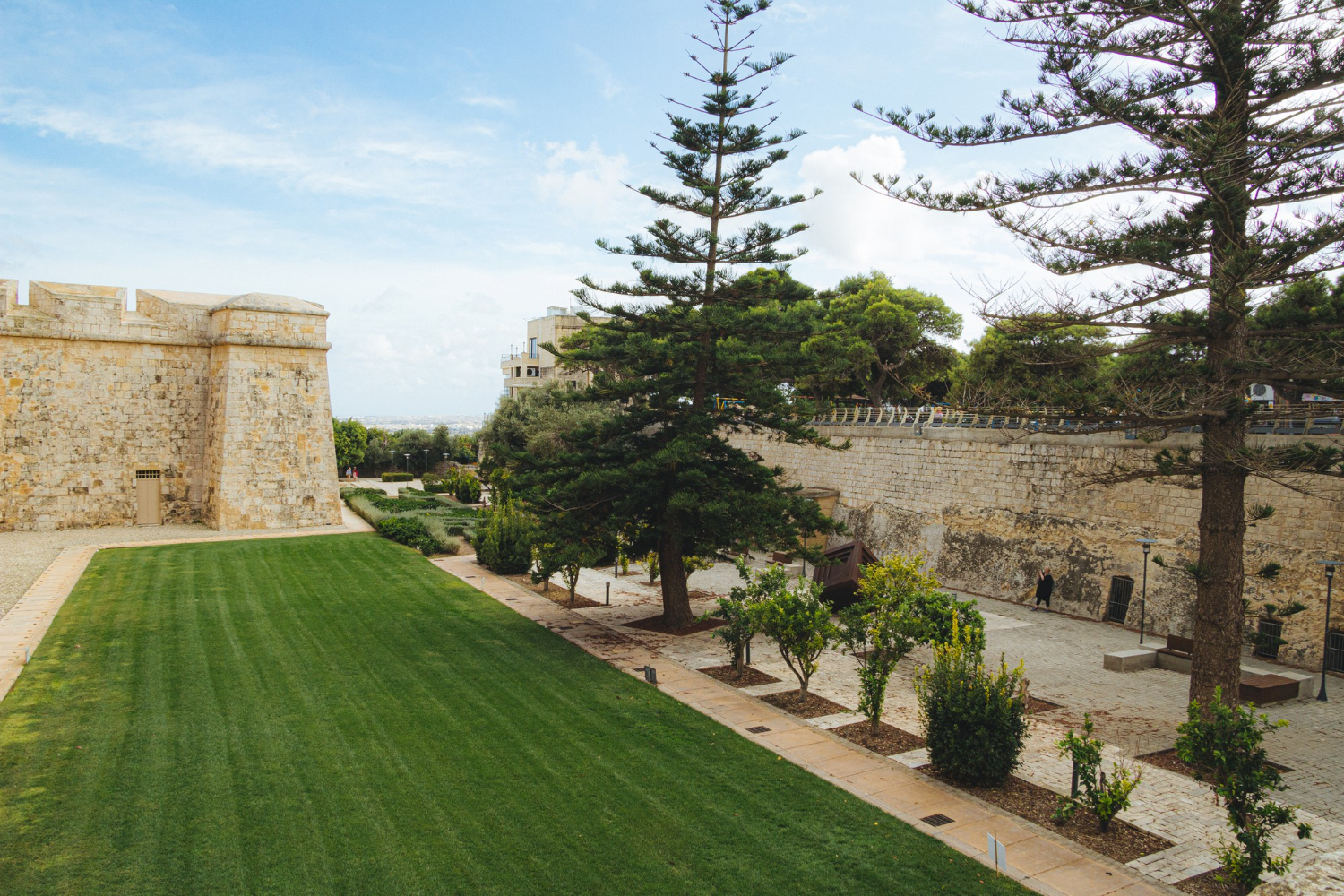
gardens of babylon
The Hanging Gardens of Babylon are traditionally described as one of the Seven Wonders of the Ancient World. According to ancient accounts, these extraordinary gardens consisted of beautiful terraces filled with trees, flowers, and other plants, creating the appearance of a green mountain rising above the surrounding landscape. They are commonly associated with the ancient city of Babylon in Mesopotamia, near present-day Hillah in Iraq. Historical traditions connect their construction to King Nebuchadnezzar II, who ruled Babylon during the sixth century BCE, although some ancient stories suggest that they were created for a royal queen who missed the green landscapes of her homeland. The gardens were particularly remarkable because they were believed to require an advanced system for transporting water from nearby sources to higher levels. Despite their fame, archaeologists have not discovered conclusive physical evidence proving that the gardens existed in Babylon exactly as described in ancient writings. Some researchers have suggested that the descriptions may instead refer to gardens in the ancient Assyrian city of Nineveh. Whether they were real or partly legendary, the Hanging Gardens remain an important part of ancient history and demonstrate humanity's long-standing fascination with architecture, nature, and engineering.