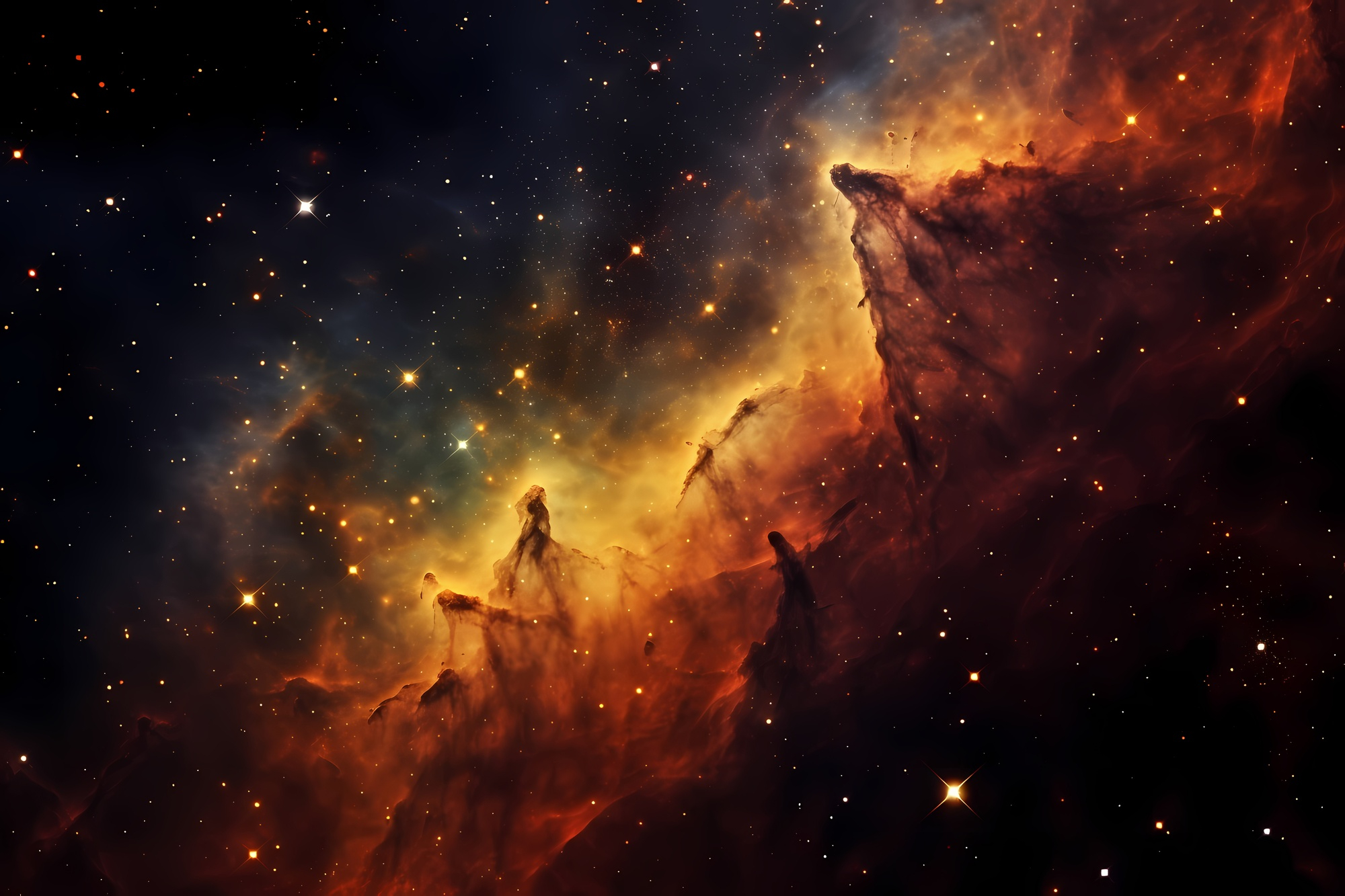
stars
Stars are enormous balls of hot gas that produce light and heat through nuclear fusion in their cores. The Sun is the closest star to Earth and provides the energy needed for life on our planet. Stars come in different sizes, colors, and temperatures. Some are much larger and hotter than the Sun, while others are smaller and cooler. By studying stars, astronomers can learn about the history of the universe and how galaxies develop.Stars are found throughout the universe, often grouped together in huge collections called galaxies. Their colors can help astronomers understand their temperatures: blue stars are generally hotter, while red stars are cooler. Stars are born inside large clouds of gas and dust called nebulae, where gravity brings the material together.