Coral Reefs
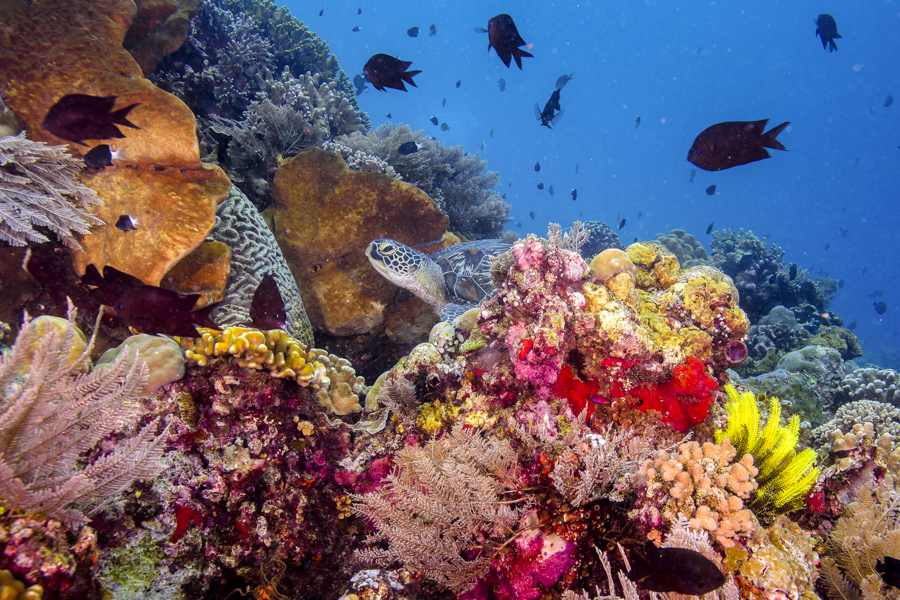
Coral reefs are among the most diverse and valuable ecosystems in the world's oceans. They are formed by colonies of tiny marine animals called coral polyps, which produce hard calcium carbonate skeletons that gradually build large reef structures over thousands of years. Most reef-building corals live in warm, shallow, clear waters where sunlight can reach the algae living inside their tissues. These algae provide corals with much of their energy through photosynthesis, while corals offer them protection and nutrients. Coral reefs provide shelter, food, and breeding grounds for approximately one-quarter of all marine species, including colorful fish, sea turtles, crustaceans, and many other organisms. They also help protect coastlines by reducing the force of ocean waves and supporting local fishing and tourism industries. Despite their importance, coral reefs face serious threats from rising ocean temperatures, coral bleaching, ocean acidification, pollution, and destructive fishing practices. Protecting these fragile ecosystems is essential for maintaining marine biodiversity and the health of our oceans.